The Small Magellanic Cloud (SMC) is unknown to many people because it can’t be seen from most of the Northern Hemisphere; it’s only visible from near the equator or the Southern Hemisphere. But from any dark sky site in the south it’s easily seen with with the naked eye as a large faint fuzzy object in the southern sky. I have seen it several times, usually whenever I am traveling in the southern latitudes. I last saw it during an ocean voyage last year as part of the Darwin 200 Expedition . I was able to see it every clear night during midnight watches and pointed it out to the other passengers and crew. But I have never photographed it — until now!
To do this I remotely operated a telescope located in Australia (!) to capture the image:
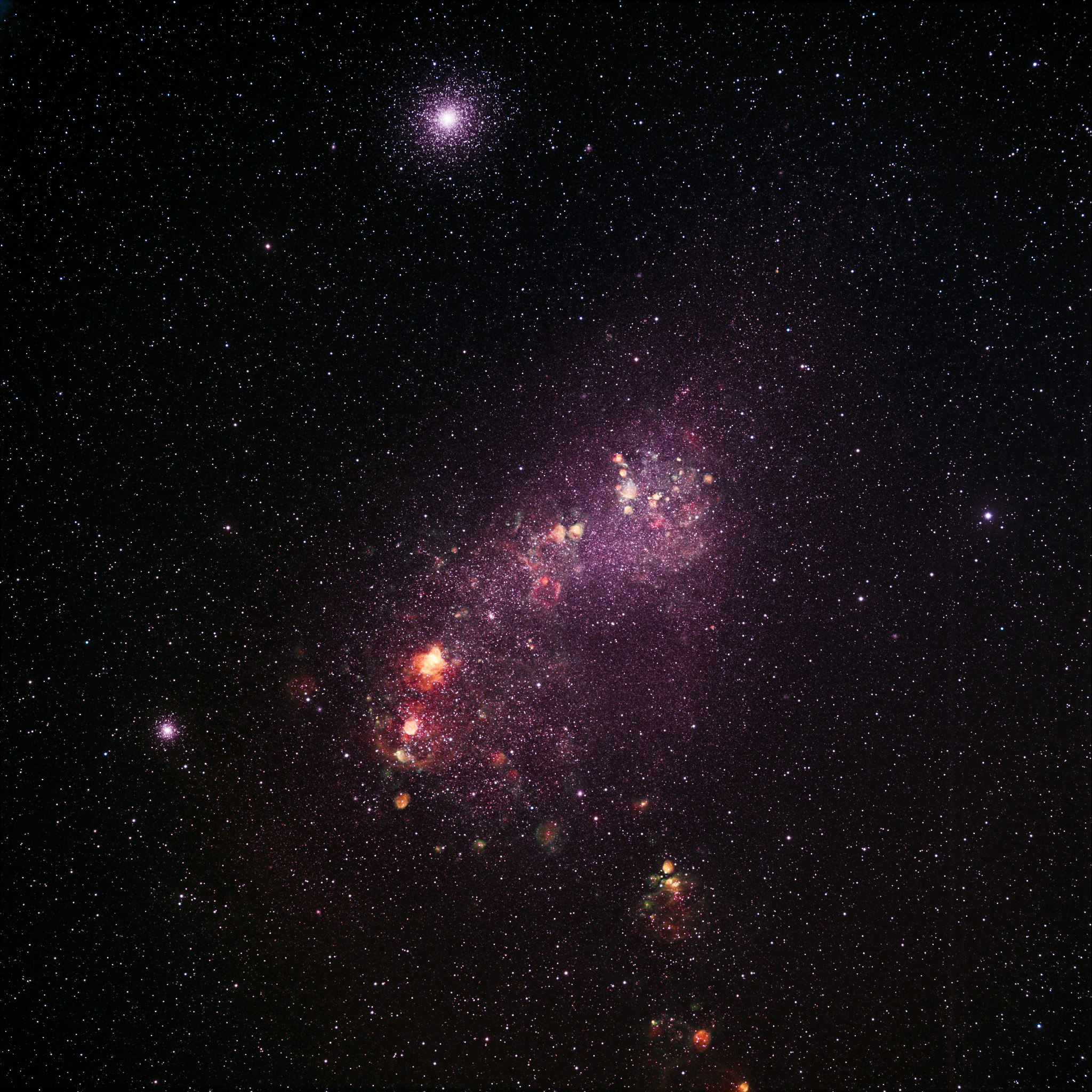
In this high-resolution color image you can see a lot of detail that you cannot see with your eye.
How This Image Was Created
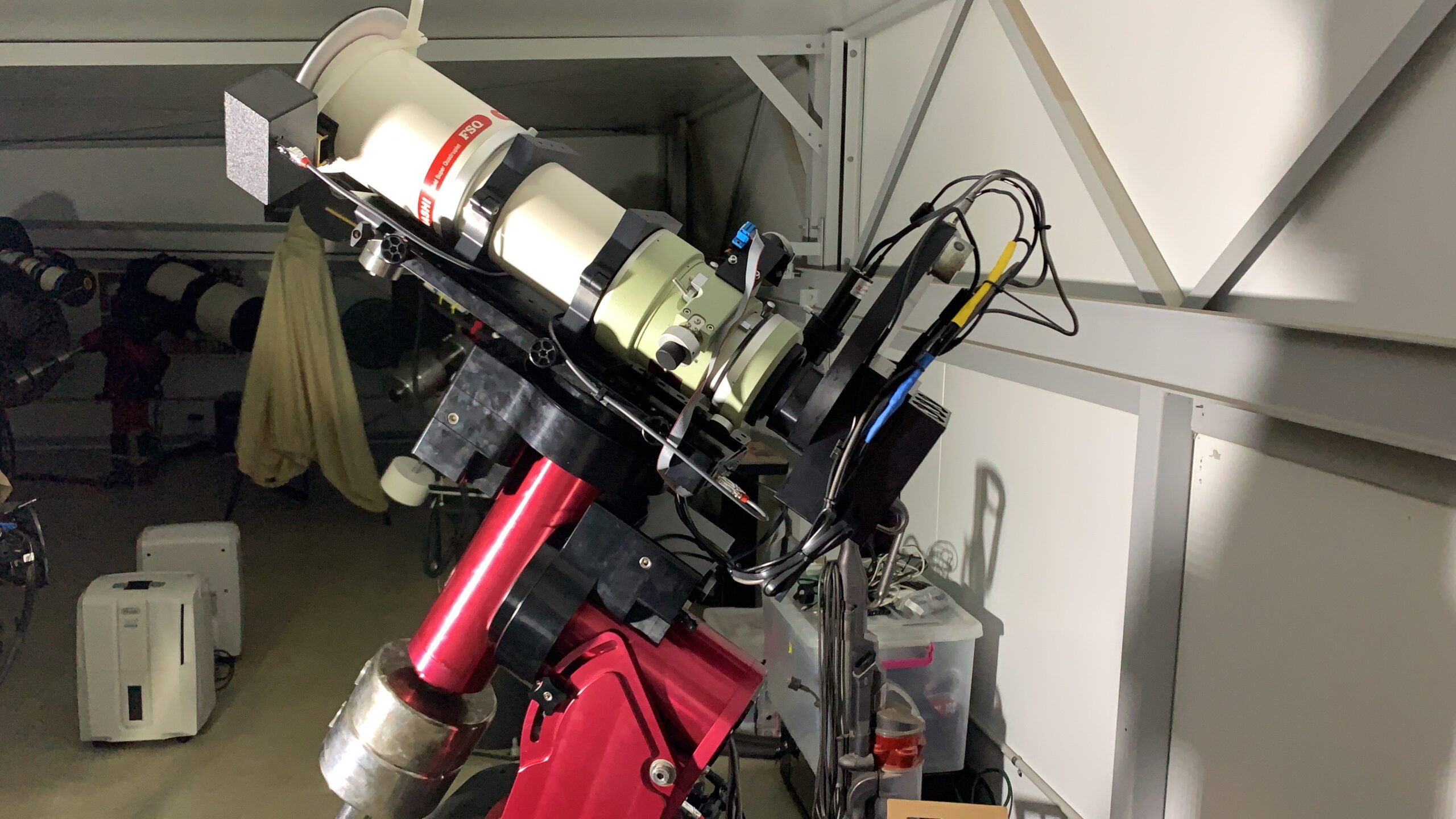
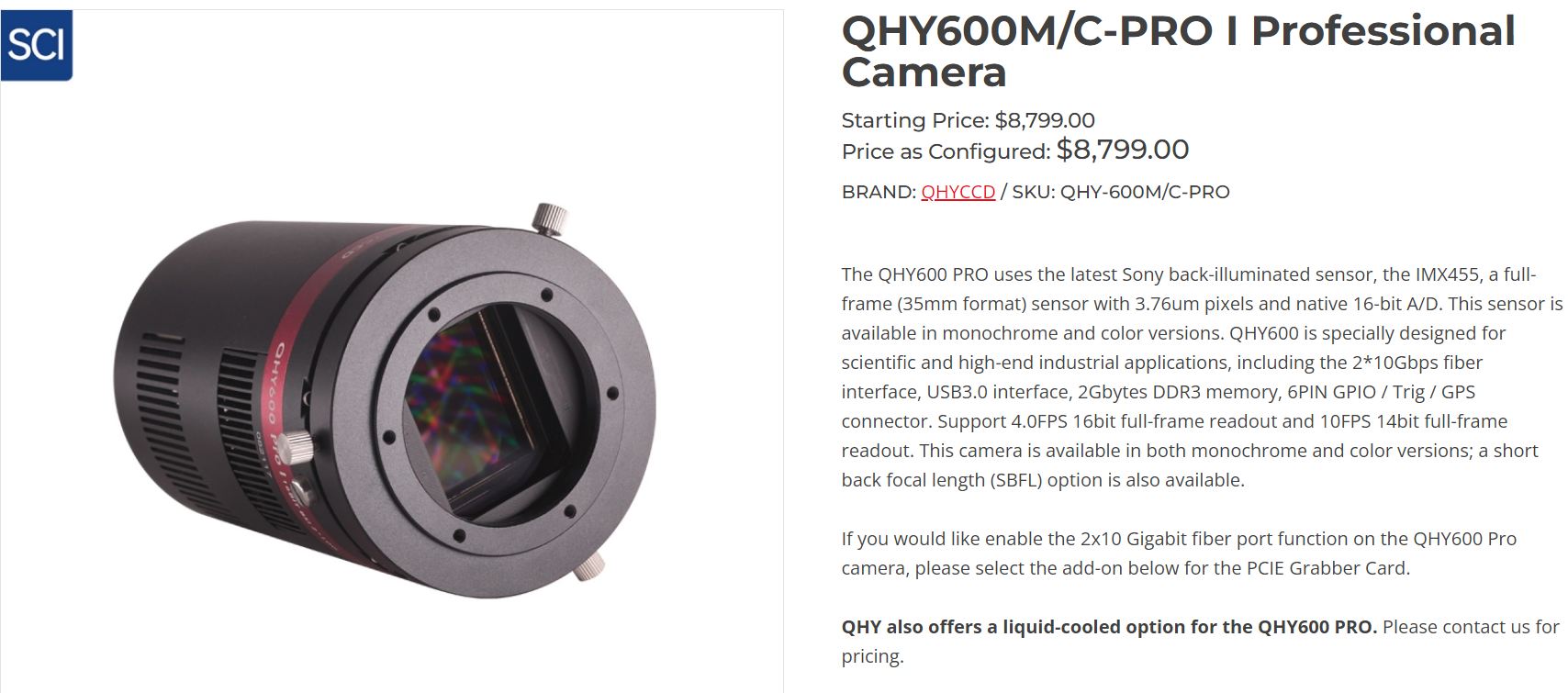
These types of deep sky astro images are not taken with a regular camera but with a highly specialized astro camera directly attached to a powerful telescope. In this case the telescope is located in SE Australia in a remote observatory and is set up to be fully remotely operated from anywhere in the world.
Here are all the technical details for astro buffs:
The photographic technique used is called Narrowband Imaging with the Hydrogen Alpha, Sulfur II, and Oxygen III bands. But this results in the bands not being a full primary color set. So it’s not possible to construct a full true color image with these bands as you could with primary color bands like Red, Blue, Green (RBG). So the image is false color with an arbitrary mapping chosen for clarity and aesthetic considerations.
The mapping used in the above image is: Halpha -> Green, SII -> Blue, OIII -> Red
The main advantage of using Narrowband Imaging is that it blocks out all wavelengths of light except the astronomically important ones. This means it is much less impacted by light pollution from urban areas and results in greater detail. Another advantage for imaging is that background stars are sharper and less washed out than with normal full band imaging. The Hubble Space Telescope also uses Narrowband Imaging with a slightly different color palette.
A total of 300 separate frames (100 frames for each channel) were combined to create the final image. The total exposure time was over 50 hours
Small Magellanic Cloud Facts
It has “Cloud” in the name but it’s actually a galaxy. SMC is a dwarf irregular galaxy located about 200,000 light-years from Earth, visible in the southern celestial hemisphere. It’s a satellite galaxy of the Milky Way, gravitationally bound to it, and spans roughly 7,000 light-years in diameter. The SMC contains approximately 3 billion stars, significantly fewer than the Milky Way’s 200-400 billion, and is rich in gas and dust, fostering active star formation. It’s part of the Local Group of Galaxies, which includes the Milky Way, the Large Magellanic Cloud (LMC), and the Andromeda Galaxy.